Arlie: The Handwritten Typeface That Elevates Your Craft Brand
I was sitting at my desk late last Tuesday, surrounded by half-cut vinyl sheets and a stack of unprinted candle labels, trying to find the perfect text for a new line of soy wax melts. I had the product photos ready, the packaging design mostly finalized, but the typography felt flat. It lacked that personal touch that makes customers stop scrolling and click "Add to Cart." That’s when I pulled up Arlie, a magnificent handwritten font from Script Amp, and suddenly, the entire project came together.
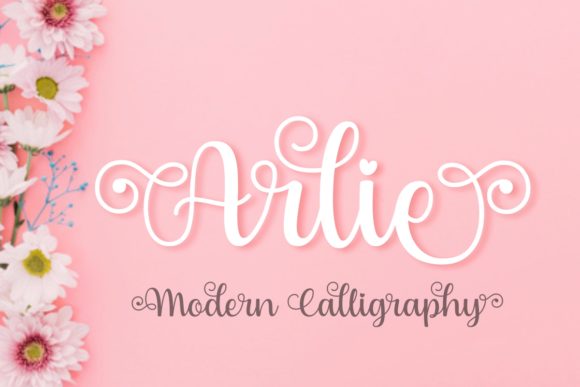
If you are like me—a crafter, handmade seller, or printable creator who cares deeply about the visual story your products tell—then you know that typography is not just an afterthought. It is the voice of your brand. Arlie offers a beautiful selection of ligatures and swashes that make it perfect for your next design project, whether you are working on physical merchandise or digital downloads. In this guide, I want to share how I’ve been using Arlie in my own shop materials and why this typeface might be the missing piece in your creative toolkit.
First Impressions: The Charm of Arlie
When you first open the Arlie font file, you aren’t just looking at standard letters. You are looking at a personality. This script font has a relaxed, organic flow that feels authentic rather than overly polished. It captures the essence of modern handwriting without sacrificing legibility. For makers who use cutting machines like Cricut or Silhouette, this distinction is crucial. A font that is too intricate can get lost in small sizes, but Arlie strikes a balance between decorative flair and clear communication.
The visual appeal of Arlie lies in its versatility. It doesn’t scream for attention; instead, it invites the viewer in. The strokes vary naturally, mimicking the pressure changes of a real pen. This adds a layer of emotional appeal to your designs that standard sans serif fonts often lack. When I applied Arlie to a mockup for a boutique packaging tag, the immediate effect was one of warmth and care. It signaled to the customer that the product inside was made with intention, not mass-produced in a factory.
Real-World Applications for Makers and Sellers
One of the biggest questions I hear from fellow sellers is, "Where does this font actually work?" The short answer is almost everywhere, provided you use it correctly. Here is how I have integrated Arlie into various aspects of my handmade business:
- Candle and Soap Labels: For my recent lavender and vanilla wax melt launch, I used Arlie for the main scent name. The swashes added a touch of elegance that elevated the perceived quality of the product. Because the font handles curves beautifully, it wrapped nicely around the circular label shape without feeling cramped.
- Greeting Cards and Invitations: I recently designed a set of birthday cards where Arlie served as the primary display font. The ligatures allowed for smooth connections between letters, creating a continuous, flowing line of text that looked professional and hand-lettered. It worked particularly well for names and short phrases.
- Printable Wall Art: When creating downloadable art for home decor, I used Arlie for inspirational quotes. Its clean yet artistic style fits perfectly in farmhouse, boho, and modern minimalist interiors. Customers appreciate that the text is easy to read from a distance while still adding artistic value.
- Tote Bags and Apparel: For my summer tote bag collection, I paired Arlie with a simple graphic element. The handwritten style softened the overall look of the shirt design, making it feel more approachable and trendy. It proved that a creative font can drive sales on platforms like Etsy by standing out in search results.
Design Tips for Maximum Impact
Using Arlie effectively requires a bit of strategy. While it is a gorgeous font, it is best suited for short phrases, names, titles, and decorative wording. Trying to set long paragraphs of body text in Arlie will likely result in a design that is difficult to read and visually exhausting. As a general rule, treat it as a display font.
Font Pairing Strategies
To create a balanced composition, pair Arlie with a clean sans serif font or a simple serif font. For example, if you are designing a wedding invitation suite, use Arlie for the couple’s names and the event title, then switch to a classic serif font for the details like date, time, and location. This contrast creates hierarchy and guides the eye through the information logically. Alternatively, pairing it with a bold display font can create a striking editorial design look for social media graphics or listing images.
Readability and Cutting Machines
If you are using Arlie for physical products cut by machines, keep these practical tips in mind. On small stickers or product labels, ensure there is enough kerning (spacing between letters) so the letters do not merge together. The swashes in Arlie can sometimes overlap if the spacing is too tight. Test your designs at actual size before printing large batches. For listing images and mockups, larger sizes allow the ligatures to shine, showcasing the font's full potential and helping customers recognize the unique character of your brand identity.
Technical Details and Licensing
Before you start selling products featuring Arlie, it is essential to check the included styles, alternates, ligatures, and weights. Script Amp provides a comprehensive package that allows you to customize the look of your text. Using the alternate characters can add variety to your designs, preventing them from looking repetitive. Additionally, verify the multilingual support if you plan to sell internationally, ensuring that special characters in other languages render correctly.
Licensing is another critical factor for commercial craft sellers. Always review the commercial font licensing terms before selling physical products, templates, printables, SVG-style designs, or merchandise. Most premium fonts require a specific license for commercial use, which protects both you and the designer. By adhering to these guidelines, you maintain ethical standards and avoid potential legal issues down the road.
Elevating Your Shop Branding
In a crowded marketplace, consistency is key. Using Arlie across different touchpoints—from your Instagram posts to your product tags and email newsletters—helps build a cohesive brand identity. When customers see that distinctive handwritten style repeatedly, they begin to associate it with your quality and aesthetic. This recognition fosters trust and encourages repeat purchases.
For seasonal products, Arlie adapts effortlessly. Whether you are creating holiday tags, autumn-themed planner pages, or spring welcome signs, the font’s neutral yet charming tone works year-round. It does not feel tied to a specific trend, making it a timeless addition to your design assets. By investing time in learning how to manipulate its features, you can produce high-quality designs that resonate with your audience.
Ultimately, Arlie is more than just a font; it is a tool that helps you communicate the heart behind your handmade goods. It bridges the gap between digital precision and human touch, allowing you to present your creations in the best possible light. So, the next time you are staring at a blank canvas, unsure of how to finish your design, give Arlie a try. You might find that it brings exactly the right amount of magic to your work.